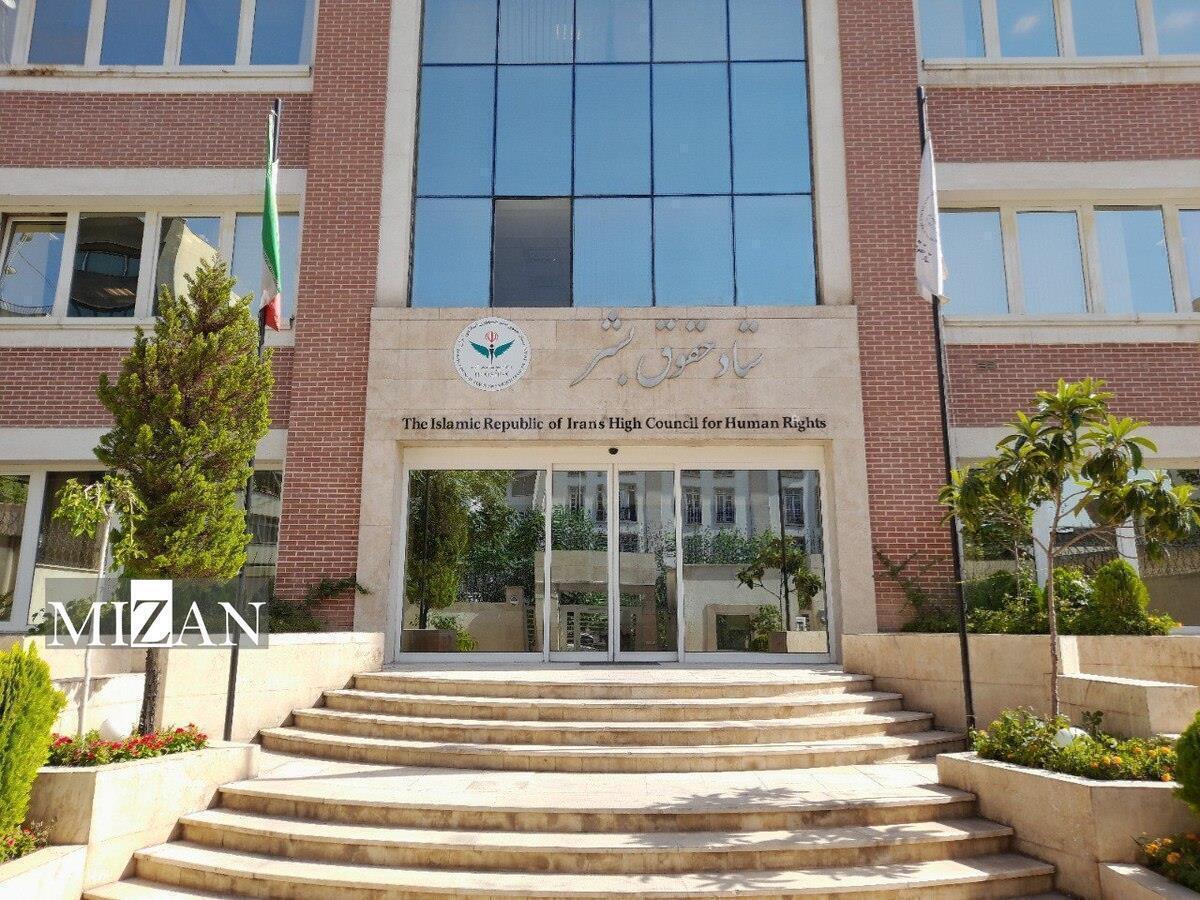
ستاد حقوق بشر با انتشار بیانیهای اعلام کرد: محاصره دریایی و محدودیت فراسرزمینی و ایجاد اخلال در تجارت دریایی، نمونهای آشکار از بهکارگیری ابزارهای اقتصادی و حملونقلی علیه یک ملت مستقل است و با اصول بنیادین حقوق بینالملل و موازین شناختهشده حقوق بشر مغایرت دارد.
متن این بیانیه به شرح زیر است:
ستاد حقوق بشر جمهوری اسلامی ایران نگرانی عمیق و اعتراض شدید خود را نسبت به تداوم سیاستهای خصمانه ایالات متحده آمریکا در اعمال محدودیتهای گسترده بر تجارت دریایی، حملونقل بینالمللی و دسترسی جمهوری اسلامی ایران به مسیرهای عادی مبادلات اقتصادی و تجاری اعلام میدارد. این اقدامات که در عمل واجد آثار و پیامدهای یک محاصره دریایی و محدودیت فراسرزمینی و ایجاد اخلال در تجارت دریایی که واجد آثار محاصره اقتصادی بر زندگی مردم ایران است، نمونهای آشکار از بهکارگیری ابزارهای اقتصادی و حملونقلی علیه یک ملّت مستقل بوده و با اصول بنیادین حقوق بینالملل و موازین شناختهشده حقوق بشر مغایرت دارد.
براساس حقوق بینالملل معاصر، هیچ دولتی مجاز نیست از ابزارهای اقتصادی، تجاری، مالی یا حملونقلی بهعنوان وسیلهای برای اعمال فشار بر جمعیت غیرنظامی و محدود ساختن دسترسی آنان به نیازهای اساسی زندگی استفاده کند. در همین راستا، مجمع عمومی سازمان ملل متحد و شورای حقوق بشر طی قطعنامههای متعدد، آثار منفی اقدامات قهری یکجانبه بر بهرهمندی ملتها از حقوق بشر را مورد توجه قرار داده و نسبت به پیامدهای انسانی چنین اقدامات هشدار دادهاند. همچنین گزارشگر ویژه آثار منفی اقدامات قهری یکجانبه صراحتا اعلام کرده است که تحریمهای فراسرزمینی ناقض حقوق بینالملل عرفی و اصل عدم مداخله است.
هرگونه محاصره دریایی علیه ایران، با ایجاد اختلال در مسیرهای تجارت بینالمللی، زنجیرههای تأمین کالا و دسترسی به خدمات حیاتی، میتواند حقوق بنیادین میلیونها شهروند ایرانی را تحت تأثیر قرار دهد. این امر بهویژه در ارتباط با حقوق مندرج در میثاق بینالمللی حقوق اقتصادی، اجتماعی و فرهنگی از جمله حق بر سلامت، حق بر غذا، حق بر کار، حق بر توسعه و حق برخورداری از استاندارد مناسب زندگی واجد اهمیت ویژه است.
حق بر غذا که در ماده ۱۱ میثاق بینالمللی حقوق اقتصادی، اجتماعی و فرهنگی مورد شناسایی قرار گرفته، مستلزم دسترسی پایدار، کافی و بدون تبعیض افراد به مواد غذایی و نظامهای تأمین غذا است. هر اقدامی که موجب اخلال در دسترسی فیزیکی و اقتصادی به کالاهای اساسی، نهادههای کشاورزی، تجهیزات تولید و حملونقل مواد غذایی شود، میتواند امنیت غذایی مردم را با مخاطره مواجه سازد و آثار آن بهطور مستقیم متوجه گروههای آسیبپذیر از جمله کودکان، سالمندان و اقشار کمدرآمد خواهد بود.
همچنین، حق بر سلامت مندرج در ماده ۱۲ همین میثاق، دولتها و جامعه بینالمللی را مکلف میسازد از اقداماتی که دسترسی مردم به دارو، تجهیزات پزشکی، فناوریهای درمانی و خدمات بهداشتی را محدود میکند، اجتناب ورزند. اختلال در حملونقل دریایی و زنجیرههای تأمین بینالمللی میتواند دسترسی به اقلام پزشکی و بهداشتی ضروری را با چالش مواجه کرده و آثار نامطلوبی بر سلامت عمومی برجای گذارد.
ستاد حقوق بشر جمهوری اسلامی ایران بهطور خاص نسبت به پیامدهای انسانی چنین اقداماتی برای ساکنان استانهای ساحلی و جنوبی کشور هشدار میدهد. میلیونها نفر از شهروندان ایرانی در مناطق ساحلی خلیج فارس و دریای عمان به فعالیتهای مرتبط با کشتیرانی، تجارت دریایی، صیادی، خدمات بندری، صنایع دریامحور و زنجیرههای اقتصادی وابسته اشتغال دارند. هرگونه محدودیت در تردد دریایی یا اختلال در فعالیت بنادر، علاوه بر نقض حق بر کار مندرج در ماده ۶ میثاق بینالمللی حقوق اقتصادی، اجتماعی و فرهنگی، بهطور مستقیم ناقض حق بر توسعه و حق تعیین سرنوشت اقتصادی این جوامع نیز میباشد. بند ۱ ماده ۱ میثاق مزبور تصریح میکند که «همه مردم حق تعیین سرنوشت خود را دارند و به موجب این حق، وضعیت سیاسی خود را آزادانه تعیین مینمایند و توسعه اقتصادی، اجتماعی و فرهنگی خود را آزادانه پیگیری میکنند.» تحمیل محدودیتهای فراسرزمینی که بنادر، مسیرهای تجاری و اقتصاد دریامحور جوامع ساحلی را فلج میکند، عملا حق این مردم را برای پیگیری آزادانه توسعه اقتصادی خویش سلب کرده و امنیّت معیشتی و رفاه اجتماعی آنان را بهطور مستقیم و غیرمستقیم تحت تأثیر قرار میدهد.
افزون بر این، آثار ثانویّه چنین اقداماتی بر هزینههای حملونقل، قیمت کالاهای اساسی، دسترسی به مواد اولیه و استمرار فعالیتهای اقتصادی میتواند موجب کاهش سطح رفاه عمومی و تشدید فشارهای معیشتی بر شهروندان شود؛ وضعیتی که با تعهدات بینالمللی دولتها در زمینه احترام، حمایت و تحقق حقوق اقتصادی و اجتماعی ملتها مغایرت دارد.
ستاد حقوق بشر جمهوری اسلامی ایران یادآور میشود که اعلامیه حق بر توسعه مصوّب مجمع عمومی سازمان ملل متحد (۱۹۶۸) توسعه را حقی غیرقابل سلب برای همه ملتها دانسته و جامعه بینالمللی را موظف به ایجاد شرایط مساعد برای تحقق آن میکند. اقداماتی که با هدف محدودسازی تجارت مشروع، تضعیف زیرساختهای اقتصادی و اخلال در جریان عادی مبادلات بینالمللی صورت میگیرند، با روح و مفاد این اعلامیه در تعارض آشکار قرار دارند.
همچنین اصل منع مجازات جمعی، که از اصول پذیرفتهشده حقوق بینالملل بشردوستانه، حقوق بینالملل کیفری و وجدان حقوقی جامعه بینالمللی به شمار میرود، اقتضا میکند که اختلافات سیاسی میان دولتها به هیچ وجه به تحمیل رنج و محرومیت بر جمعیت غیرنظامی منجر نشود. اعمال محدودیتهایی که آثار گسترده آن متوجه شهروندان عادی باشد، با موازین انسانی و حقوقی شناختهشده در نظام بینالملل ناسازگار است.
ستاد حقوق بشر جمهوری اسلامی ایران از دبیرکل سازمان ملل متحد، کمیسر عالی حقوق بشر، شورای حقوق بشر، گزارشگر ویژه آثار منفی اقدامات قهری یکجانبه بر بهرهمندی از حقوق بشر، گزارشگر ویژه حق بر غذا، گزارشگر ویژه حق بر سلامت و سایر سازوکارهای ذیربط بینالمللی میخواهد آثار انسانی و حقوق بشری ناشی از محاصره اقتصادی و محدودیتهای دریایی و تجاری اعمالشده از سوی ایالات متحده آمریکا علیه جمهوری اسلامی ایران را به دقت مورد بررسی قرار داده و نسبت به پیامدهای آن برای حقوق بنیادین مردم ایران موضعی روشن، مسئولانه و مبتنی بر تعهدات بینالمللی اتخاذ کنند.
ستاد حقوق بشر جمهوری اسلامی ایران ضمن تأکید بر ضرورت پایان دادن به اقدامات قهری یکجانبه آمریکا علیه ملت ایران، تصریح میکند که امنیت، سلامت، معیشت و کرامت انسانی مردم نباید قربانی سیاست فشار حداکثری و محدودیتهای فراسرزمینی شود؛ سیاستی که آثار آن مستقیما متوجه شهروندان عادی و گروههای آسیبپذیر بوده و با اصول بنیادین حقوق بشر و تعهدات بینالمللی دولتها ناسازگار است.
متن انگلیسی این بیانیه به شرح زیر است:
Statement by the High Council for Human Rights of the Islamic Republic of Iran Condemning the “Naval Blockade and Unilateral Coercive Measures against the Islamic Republic of Iran”
In the Name of God
The High Council for Human Rights of the Islamic Republic of Iran expresses its deep concern and strong protest regarding the continued hostile policies of the United States of America in imposing extensive restrictions on maritime trade, international transportation, and the Islamic Republic of Iran’s access to normal channels of economic and commercial exchange. These measures, which in practice amount to the effects and consequences of a naval blockade and, through the imposition of extraterritorial restrictions and the disruption of maritime commerce, impose the effects of an economic blockade on the lives of the Iranian people, constitute a clear example of the use of economic and transportation instruments against an independent nation and are contrary to the fundamental principles of international law and the recognized human rights standards.
Under contemporary international law, no State is permitted to employ economic, commercial, financial, or transportation measures as a means of exerting pressure on a civilian population or restricting its access to the basic necessities of life. In this regard, the United Nations General Assembly and the Human Rights Council, through numerous resolutions, have drawn attention to the adverse impact of unilateral coercive measures on the enjoyment of human rights by peoples and have warned of the humanitarian consequences of such measures. Furthermore, the Special Rapporteur on the Negative Impact of Unilateral Coercive Measures has expressly stated that extraterritorial sanctions are inconsistent with customary international law and the principle of non-intervention.
Any naval blockade imposed against Iran, by disrupting international trade routes, supply chains, and access to essential services, may adversely affect the fundamental rights of millions of Iranian citizens. This is of particular concern with respect to the rights enshrined in the International Covenant on Economic, Social and Cultural Rights, including the right to health, the right to food, the right to work, the right to development, and the right to an adequate standard of living.
The right to food, as recognized in Article 11 of the International Covenant on Economic, Social and Cultural Rights, entails the sustainable, adequate, and non-discriminatory access of individuals to food and food supply systems. Any measure that disrupts physical or economic access to essential goods, agricultural inputs, production equipment, or the transportation of food products may jeopardize the food security of the population. The consequences of such disruptions would be borne most directly by vulnerable groups, including children, older persons, and low-income segments of society.
Furthermore, the right to health, as enshrined in Article 12 of the same Covenant, requires states and the international community to refrain from measures that restrict people’s access to medicines, medical equipment, therapeutic technologies, and healthcare services. Disruptions to maritime transportation and international supply chains may impede access to essential medical and health-related goods, thereby creating serious challenges for the delivery of healthcare and potentially resulting in adverse consequences for public health.
The High Council for Human Rights of the Islamic Republic of Iran expresses particular concern regarding the humanitarian consequences of such measures for the inhabitants of the country’s southern and coastal provinces. Millions of Iranian citizens residing along the coasts of the Persian Gulf and the Gulf of Oman are engaged in shipping, maritime trade, fisheries, port services, maritime industries, and related economic sectors.
Any restriction on maritime navigation or disruption of port operations, in addition to undermining the right to work as recognized in Article 6 of the International Covenant on Economic,
Social and Cultural Rights, would also directly impair the right to development and the right of these communities to freely pursue their economic self-determination. Article 1(1) of the aforementioned Covenant expressly provides that: “All peoples have the right of self-determination. By virtue of that right they freely determine their political status and freely pursue their economic, social and cultural development.” The imposition of extraterritorial restrictions that paralyze ports, trade routes, and the maritime-based economies of coastal communities effectively deprives these peoples of their right to freely pursue their economic development. Such measures directly and indirectly undermine their livelihood security and social well-being, thereby adversely affecting the enjoyment of their fundamental human rights.
Moreover, the secondary effects of such measures on transportation costs, on the prices of essential goods, on access to raw materials, as well as the continuity of economic activities may result in a decline in the general standard of living and an intensification of livelihood pressures on citizens. Such a situation is incompatible with the international obligations of states to respect, protect, and fulfil the economic and social rights of peoples.
The High Council for Human Rights of the Islamic Republic of Iran further recalls that the Declaration on the Right to Development, adopted by the United Nations General Assembly in 1986, recognizes development as an inalienable right of all peoples and calls upon the international community to create conditions conducive to its realization. Measures aimed at restricting legitimate trade, weakening economic infrastructure, and disrupting the normal flow of international commerce are in clear contradiction with both the spirit and the provisions of this Declaration.
Furthermore, the principle of the prohibition of collective punishment, which is recognized as a fundamental norm of international humanitarian law, international criminal law, and the legal conscience of the international community, requires that political disputes between states must under no circumstances result in the imposition of suffering or deprivation upon civilian populations. The imposition of measures whose widespread consequences are borne by ordinary citizens is incompatible with the humanitarian and legal standards recognized by the international community.
The High Council for Human Rights of the Islamic Republic of Iran calls upon the Secretary-General of the United Nations, the United Nations High Commissioner for Human Rights, the Human Rights Council, the Special Rapporteur on the Negative Impact of Unilateral Coercive Measures on the Enjoyment of Human Rights, the Special Rapporteur on the Right to Food, the Special Rapporteur on the Right to Health, and other relevant international mechanisms to carefully examine the humanitarian and human rights consequences arising from the economic blockade and the maritime and trade restrictions imposed by the United States of America against the Islamic Republic of Iran, and to adopt a clear, responsible, and principled position, consistent with their international mandates and obligations, regarding the implications of such measures for the fundamental rights of the people in Iran.
The High Council for Human Rights of the Islamic Republic of Iran, while emphasizing the necessity of bringing an end to the United States’ unilateral coercive measures against the people of Iran, reiterates that the security, health, livelihoods, and human dignity of the population must not be sacrificed to the policy of maximum pressure and extraterritorial restrictions.
Such a policy has consequences that are borne directly by ordinary citizens and vulnerable groups and is incompatible with the fundamental principles of human rights and the international obligations of states.
انتهای پیام/