Best Attractions in Iran
Iran is one of the most historically rich and culturally diverse countries in the world, making travel to Iran a truly unique experience. With a civilization that dates back more than seven thousand years until now. The country is well known for its ancient empires, remarkable art, warm hospitality, and breathtaking natural landscapes. From historical ruins and religious monuments to traditional lifestyles and stunning scenery, Iran offers a wide range of attractions for visitors from around the world.
Iran has preserved much of its historical identity and cultural heritage. Travelers can explore ancient cities, enjoy traditional Persian music and cuisine, and experience a variety of climates and environments within a single country. This diversity makes Iran an unforgettable destination for those interested in history, culture, and nature.
Historical Attractions of Iran
History is one of Iran’s greatest treasures. The country has been home to several powerful pre-Islamic and Islamic civilizations and empires, each leaving behind impressive monuments and archaeological sites that continue to attract historians and tourists today.
One of the most famous historical sites in Iran is Persepolis, located near the city of Shiraz. Built more than 2,500 years ago by Darius the Great, Persepolis served as the ceremonial capital of the Achaemenid Empire. The site features massive stone columns, detailed carvings, and grand staircases that reflect the power and artistic skill of ancient Persia. Today, Persepolis is recognized as a UNESCO World Heritage Site and remains one of the strongest symbols of Iranian history.
Another important historical landmark is Pasargadae, the capital of Cyrus the Great. The most significant structure there, is the tomb of Cyrus, who is remembered as a wise and just ruler. His ideas about justice and human rights influenced later civilizations, and his tomb continues to be a place of respect and admiration.
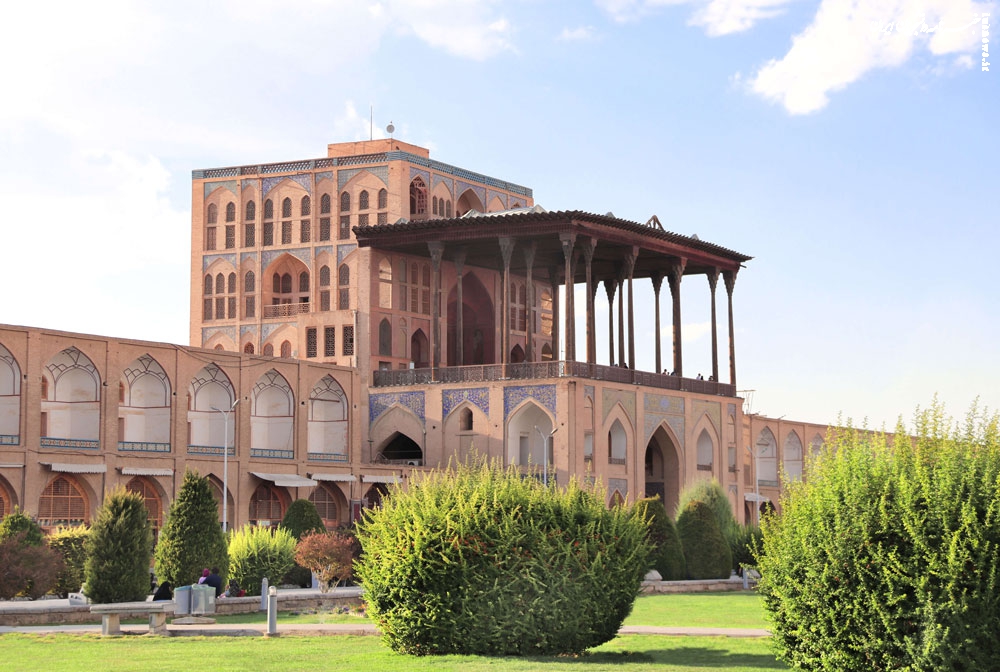
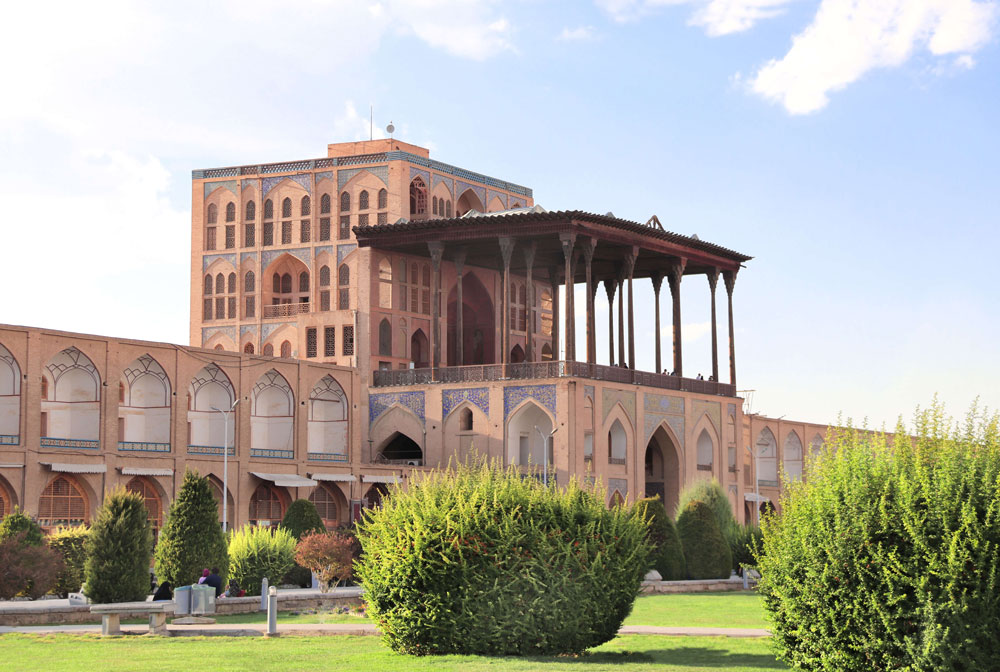
The city of Isfahan is often described as a living museum of Islamic Iranian architecture. During the Safavid era, Isfahan became one of the most beautiful cities in the world. Naqsh-e Jahan Square, one of the largest city-squares globally, is surrounded by architectural masterpieces such as the Imam Mosque, Sheikh Lotfollah Mosque, and Ali Qapu Palace. Historic bridges like Si-o-se-pol and Khaju Bridge also showcase the advanced engineering and artistic design of the period.
Beyond these famous sites, Iran is home to countless other historical attractions. Old caravanserais, traditional bazaars, historic houses, old qanat systems, and historic villages are scattered across the country, many of which remain less explored. These hidden sites offer visitors a deeper and more authentic understanding of Iran’s long and fascinating past, and they’re just a part of what makes Iran a land full of wonders.
Cultural Attractions of Iran
Iranian culture is deeply rooted in tradition, art, hospitality, and strong social values. Hospitality play a central role in everyday life of people.
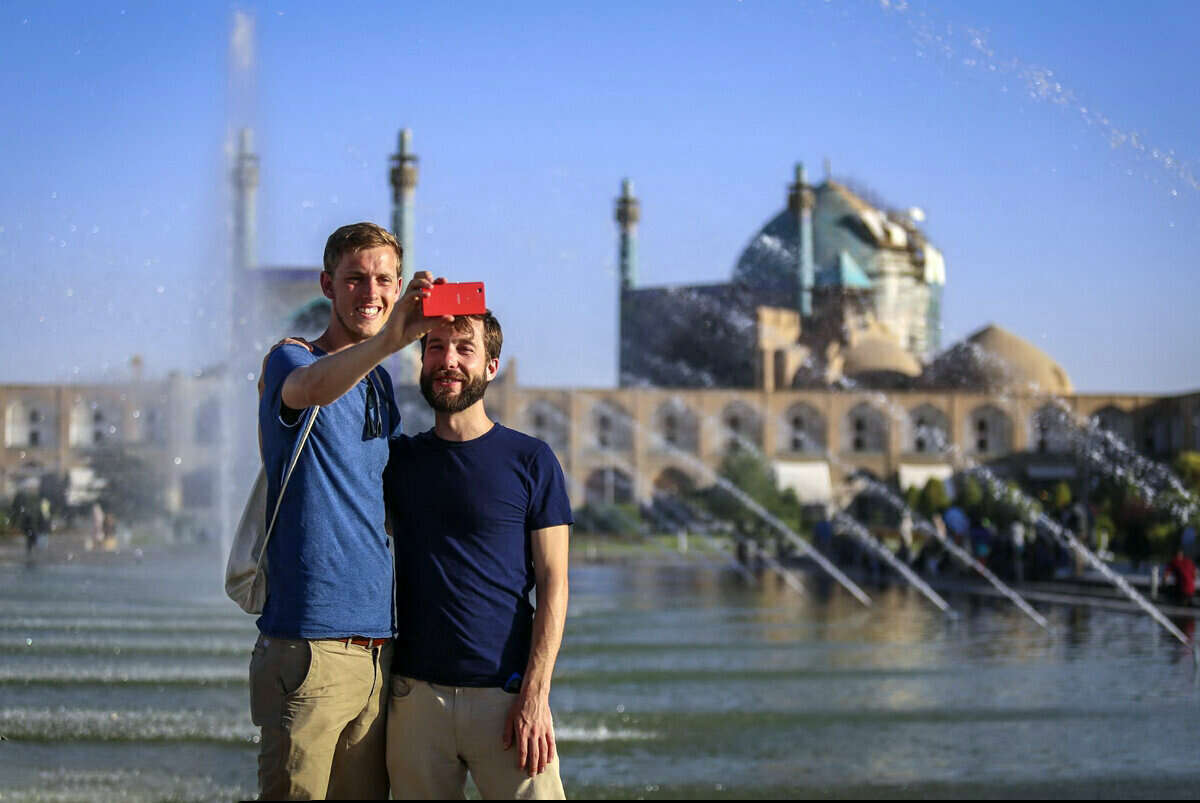
Hospitality is one of the most valued aspects of Iranian culture. By experiencing it firsthand, visitors can enjoy a truly immersiveiran experience, where every shared meal, cup of tea, and friendly conversation creates a sense of belonging. Welcoming guests is more than politeness—it reflects generosity, respect, and the importance of human connection.
Persian literature is another essential element of Iran’s cultural identity. Renowned poets such as Hafez, Saadi, Ferdowsi, Khayam, and Rumi are celebrated worldwide for their timeless works. The tombs of Hafez and Saadi in Shiraz are popular cultural sites where people gather to read poetry and reflect.
Traditional Iranian arts and handicrafts are also major attractions. Persian carpets are among the most famous in the world, admired for their intricate patterns, rich colors, and exceptional quality. Other traditional crafts include miniature painting, calligraphy, pottery, and metalwork. Cities such as Tabriz, Kashan, and Isfahan are especially known for their distinctive handicraft traditions.
Iranian music and festivals highlight the country’s ethnic diversity, including Fars, Kurds, Turks, Lurs, and Baluchis. Each group has its own customs, clothing, and musical traditions. Celebrations such as Nowruz, the Persian New Year, mark the arrival of spring and are celebrated with family gatherings, symbolic rituals, and traditional foods. These cultural attractions make Iran a country full of color, life, and wonder.
Natural Diversity of Iran
Iran’s natural diversity is one of its most surprising features. Due to its vast size and varied geography, the country offers a wide range of climates and landscapes. From snowy mountains and vast deserts to lush jungles and coastal islands, Iran provides natural attractions for every type of traveler.
The Lut Desert is one of Iran’s most remarkable natural sites. Known as one of the hottest places on Earth, it features unique landforms called kaluts, shaped over time by wind erosion. The desert’s dramatic scenery makes it a popular destination for adventure tourism and photography.
In contrast, northern Iran along the Caspian Sea is covered with dense jungles and enjoys a humid climate. Provinces such as Gilan and Mazandaran are famous for their green landscapes, rice fields, and charming villages. The Caspian coastline is a popular holiday destination for both locals and tourists.
Iran is also a mountainous country. The Alborz Mountains, home to Mount Damavand—the highest peak in Iran—are ideal for hiking, skiing, and mountaineering. The Zagros Mountains stretch across western Iran and are inhabited by nomadic tribes who continue their traditional way of life.
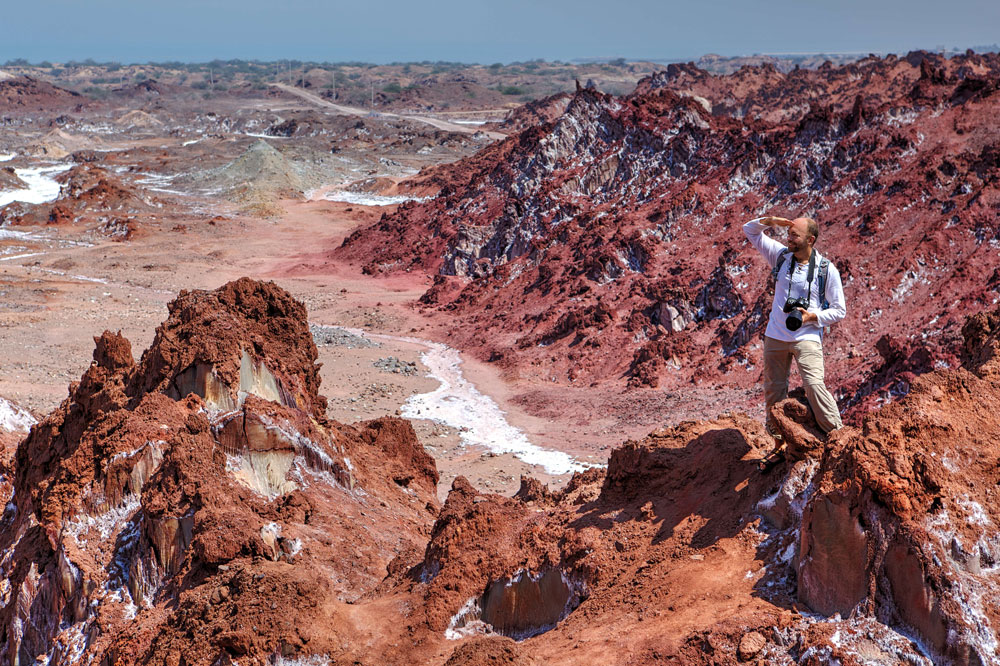
In the south, Iran is home to stunning islands in the Persian Gulf, such as Hormoz and Qeshm. Hormoz Island is known for its colorful soil and silver beach, while Qeshm is famous for its unique geological formations, mangrove forests, and diverse wildlife. These islands reveal yet another side of Iran’s natural beauty. Every corner of Iran offers something new to discover, making it a land full of fascination.
Iran is a country of extraordinary attractions, combining ancient history, rich cultural traditions, and diverse natural environments. Its historical landmarks tell stories of powerful empires and artistic achievement, while its cultural heritage reflects centuries of knowledge, creativity, and human connection. At the same time, Iran’s varied landscapes offer unforgettable natural experiences, from deserts and mountains to forests and seas.
Traveling through Iran allows visitors to gain a deeper understanding of one of the world’s oldest civilizations while discovering a destination full of beauty, warmth, and diversity. With its wide range of attractions, Iran truly stands as a remarkable country worth exploring.