
جدیدترین فیلم اصغر فرهادی«فروشنده»-برنده دو جایزه بهترین فیلمنامه و بهترین بازیگر مرد شهاب حسینی از جشنواره کن- ایده آشنای فضای خصوصی را که مورد هتک قرار می گیرد نمایش می دهد. درضمن فروشنده این سوال ها را مطرح می کند که چطور خشونت در جامعه نمایان می شود و چطور قضاوت دیگران یک شخصیت آرام و صلح طلب را به یک هیولا تبدیل می کند. فرهادی لایه دیگری را با ترسیم رابطه میان نمایشنامه ی "مرگ دستفروش" نوشته آرتور میلر و داستان مدرنیزه در ایران به فیلم اضافه می کند.
پس از نمایش فروشنده در کن؛ امیر گنجوی با اصغر فرهادی مصاحبه ای انجام داد که ماه ژوئن در سایت فندور منتشر شد. سرویس سینمای جهان کافه سینما ترجمه این مصاحبه را منتشر می کند.
گنجوی: پس از موفقیت در اسکار و پاریس چرا تصمیم گرفتید به تهران بازگردید؟ آیا حرف های بیشتری برای گفتن درباره کشورتان دارید؟
فرهادی:خب، فکر میکنم کاملا طبیعی است علی رغم مشکلاتی که شاید دارید؛ یک چیز واقعی تر یا آسان تر در همکاری با گروه تولیدی که به زبان شما صحبت می کنند وجود دارد و حال آنکه فیلمی ساخته می شود که به زبان مادری شماست. یک دلیل بدیهیتر هم وجود داشت. پس از ساختن "گذشته" در فرانسه، قرار بود پروژه دیگری در اسپانیا بسازم که قرارداد بسته بودم. در آستانه شروع کردن پروژه بودیم اما من فرصت برگشتن و کار کردن در کشور خودم را پیدا کردم. بنابراین فرصت را غنیمت شمردم و اجازه دادم آخرین کلام پدرم من را راهنمایی کند. او گفت: «امیدوارم بتوانی روزی به ایران برگردی و یک فیلم بسازی.» پس از جهتی گمان می کنم شاید ناخودآگاه خواستم آخرین آرزوی پدرم را برآورده کنم.
گنجوی: "گذشته" اولین فیلمی بود که در خارج از ایران ساخته اید. "فروشنده" از جهاتی به یک اثر از هنر آمریکایی می پردازد. چرا آمریکا؟
فرهادی: خب؛ لازم است بدانید که نمایشنامه های غربی بینهایت در ایران شهرت دارند و مردم آنها را مطالعه می کنند؛ اجرا می کنند و روی صحنه ی تئاتر می برند. بنابراین یونسکو نویسنده بسیار مشهوری است، از قضا آرتور میلر نویسنده و نمایشنامه نویس بسیار شهیری است. پس من به اثری احتیاج داشتم که با داستانم همخوانی داشته باشد. اگر میلر فرانسوی بود داستانم برداشتی از یک نمایشنامه فرانسوی شده بود. ازقضا میلر امریکایی بود.

گنجوی: یک وجه تشابه میان "مرگ دستفروش" و فیلم شما، "فروشنده" وجود دارد. چرا خواستید [از] این نمایشنامه یک تم در فیلمتان باشد؟
فرهادی: دلایل زیادی هست که چرا من این نمایشنامه را بجای نمایشنامههای دیگرانتخاب کردم. از یک جهت ما داریم دو مسیر از فروشنده را دنبال می کنیم. یکی دستفروش نمایشنامه است که شخصیت اصلی ما (عماد) روی صحنه به او جان می بخشد. ازقضا فروشنده خویشتن دیگر، دستفروش نمایشنامه است ولی او خارج از نمایشنامه است.
درنتیجه داستان مشابهی تکرار شده است. نقاط مشابه فراوانی وجود دارد مانند اشاره های فراوان در "مرگ دستفروش" به بچههایی که مدرسه میروند. در "فروشنده" نیز شخصیت اصلی معلم است و صحنههای بسیاری با این دانش آموزان دارد. در ضمن سکانس جوراب هست که ما می بینم بخشی از نمایشنامه درباره جوراب است و یک جفت جوراب در داستان ما نیز هست. همچنین اگر دقت کنید و نمایشنامه را خوانده باشید می توانید اشارههای دیگری پیدا کنید. شخصیتی داریم که تن فروش است و ما هرگز در فیلم او را نمی بینیم. درباره اش می شنویم اما اصلا نمی بینیمش. با این وجود تاثیر او هم در نمایشنامه وجود دارد اوشخصیت زنی است که دنبال می کنیم و گاهی می بینیم.
گنجوی: یک تم بزرگ در "مرگ دستفروش"، رویای آمریکایی است. می توانیم به عنوان یک نظریه درباره رابطه رو به افزایش ایران با جهان غرب تعبیرش کنیم؟
فرهادی: رابطه بسیار قوی میان تحول تهران این روزها و تحول نیویورک در آن زمان وجود دارد. تحول، خیلی سریع و رمانتیک است و از جهتی در تهران هرچیزی دارد تغییر می کند و ویران می شود بی آنکه بدانیم قرار است بعدش چه پیش بیاید. در نتیجه "مرگ دستفروش" به این دگرگونی کامل می پردازد که ایالات متحده آمریکا پس از جنگ و پیش از این تجربه کرد. آخرین کلمات نمایشنامه از زبان دستفروش در قبر گفته می شود و می گوید:« ما آزادیم! ما آزادیم!» که اشاره خیلی روشن میلر به آزادی است.
گنجوی: منظور شما چه جور تحولی در تهران است که دارد اتفاق می افتد؟
فرهادی:مدرنیزه شدن اما شکل خیلی غیرارادی آن. یک جور فضای عجیب وغریب و اشتیاقی وجود دارد که فقط پیش برویم اما واقعا نمی دانیم به کجا داریم می رویم. به عبارت دیگر شخصیتی که در فروشنده داریم؛ مدرن ترین مردی است که می توانید تصور کنید. اهل فرهنگ است، نمایشنامه بازی می کند، بسیار روشنفکر و لیبرال است که ظاهرا یک زندگی اجتماعی بسیار لیبرال دارد. با این وجود واکنش های او تحت شرایطی سنتیترین واکنش هایی است که یک مرد می تواند داشته باشد. چون احساس می کند که از سویی همسرش در خطر قرارگرفته است. به همین دلیل می گویم این مدرنیزه شدن یا حرکت رو به جلوی مهیج، چیزی است بسیار سطحی و صرفا یک مساله ای ظاهری است. با این وجود وزن سنت هنوز در جامعه ما به قوت خود باقی است.

گنجوی: وقتی به فیلم های شما فکر می کنم این حس مشکلات حل نشده و بی اعتمادی از گذشته، مانند مردمی که واقعا یکدیگر را نمی شناسند و به هم اعتماد ندارند؛ وجود دارد.
فرهادی:خب از اول مردم احساس می کنند یکدیگر را خیلی خوب می شناسند وآگاهی روشنی از شخصیت دیگران دارند اما در شرایطی خاص می فهمید که دیگری برای شما کاملا ناشناخته است، حتی در یک رابطه. این نیست که به یکدیگر بی اعتماد هستند. بلکه جنبه های جدیدی از یکدیگر کشف می کنند؛ جنبه هایی از آنها را که نمی توانند پیش بینی کنند. مردی که در پایان داستان میبینیم به صورت آن مرد دیگری سیلی می زند، همان مردی است که ابتدای فیلم با همسایه خیلی مهربان بود؛ یک پدر بسیار یاری رسان؛ با دانش آموزانش خوش برخورد و حتی زنی را که در تاکسی است تلاش می کند درک کند و تبرئه اش کند.
گنجوی: حالا درباره ی سطوح خیلی خصوصی آنها(شخصیت ها) صحبت می کنید اما این کل جامعه و مردم را به هیجان می آورد.
فرهادی:خب فکر می کنم این فقط یک سنت اجتماعی است. به هیچوجه خصوصی نیست. ایده آبرو و دفاع از آبرو چیزی است که از دیگران کسب می شود. نمی گویم که چیزی است که به طور خودجوش از یک فرد بدست می آید؛ چیزی است که به او یاد داده اند. به عنوان شخصیت اصلی اگر عماد فشار همسایهها و اطرافیان خود را احساس نمی کرد، اهمیت به چیزی نمی داد که سبب این خشم بشود و احساس انتقام رشد کند. پس شاید او آنقدر خشن نمی شد. این مفهوم آبرو و وجهه، یک قضاوت کلی دیگران درباره ماست. دستکم در فرهنگ ما چیزی است که تاثیر بسیار تعیین کننده ای در رفتارمان دارد.
گنجوی: ما داشتیم درباره سواستفاده از گناه حرف می زدیم چون فکر کردیم به دلیل نگاه به زنی برهنه این اتفاق افتاد. آیا اتفاق دیگری پیش آمد یا شما فکر می کنید شوهر بخاطر آبرو یا شاید چون خیلی خوب موضوع را نمی فهمد؛ عکس العمل تند نشان داد؟
فرهادی: من هم آنجا نبودم پس نمی دانم داخل حمام چه اتفاقی افتاد.

گنجوی: ولی من احساس می کنم اگر همسایه ها نفهمیده بودند واگر شوهر را تحت فشار قرار نداده بودند آنگاه موقعیت کاملامتفاوتی برای عماد می توانست وجود داشته باشد.
فرهادی:مشکل اصلی عماد این است که دیگران می دانند یک چیزی اتفاق افتاد و حتی ظاهرا نسبت به اتفاقی که افتاد مبالغه می کنند. اگر کل ماجرا میان دو نفر آنها (عماد و رعنا) مانند یک راز مانده بود-که آنها در آغازکار تلاش کردند-آنگاه نباید این واکنش خشن را میداشتند.
گنجوی: پس شما از بشر یک تصور ژان ژاک روسویی دارید، از این لحاظ که فکر می کنید مثلا انسان می تواند آزاد باشد، زمانی که خارج از اجتماع و تشکیلاتش قرار می گیرد؟
فرهادی: خب، فکر می کنم اول از همه آزادی، یک احساس بسیار شخصی و درونی است. آزادی صرف نظر از شرایط و متناسب با این حقیقت که به عنوان فرد شما می توانید آن را احساس کنید یا می توانید درنظر بگیرید که چیزی است که مرهونش هستید؛ شکل می گیرد. این که از کجا میآیید و نحوه نشستنتان، می تواند نشان بدهد که کل بدن شما چگونه تنظیم شده است. و تا چه سطحی شما به آموخته هایتان توجه نشان می دهید. مشکل ماست که آزادی چیزی است که از بیرون بدست می آوریم. یک الهام درونی نیست. برای این زوجی که میبینیم که ظاهرا با منشی بسیار لیبرال زندگی می کنند؛ آزادی چیزی است که از بیرون به آنها داده شده است و این از روابط درونی آنها در زندگی خود یا خودشان نیست. بنابراین به محض آنکه با این مدل موقعیتی روبه رو میشوند، جنبه محافظه کارانهتر و سنتیتر ودرونیتر آنها نمایان می شود.
گنجوی: فکر میکنم این بهتر چرایی چالش های اخلاقی را توضیح میدهد که در فیلم شما با چیزهای روزمره کوچک نمایش داده می شوند.
فرهادی: بله. لااقل در این فیلمهایی که من ساختم، شخصیت هایم هرگز متعهد [به انجام] هیچ حرکت دراماتیکی نبودند. فقط رفتارهای بسیار متوسط روزمره است که می توانند کاری انجام بدهند و یک نقطه عطف در نگرششان به وجود بیاید.
گنجوی: آیا مساله خشونت علیه زنان که اغلب در ایران مطرح می شود؛ به نظرتان باید بیشتر مطرح بشود؟
فرهادی: من مسایل جنسیتی را به عنوان مساله اصلی فروشنده نمی بینم. این شخصیت (رعنا) می توانست یک مرد باشد. موضوعِ من در فروشنده واقعا این است که شخصی که خشن رفتار می کند کاملا احساس می کند محق است و کاری که انجام می دهد موجه است. به هیچ وجه مساله جنسیت نیست، بلکه خشونت است که امروزه به طور فزاینده ای همگانی است. افراطی ترین نمونه هایش هم حملات تروریستی است. چیزی که درمورد این نوع خشونت خاص است، این است که مردمی که دست به چنین اعمالی می زنند احساس می کنند عقیده راسخ اخلاقی دارند و دلایلی خوبی دارند که رفتارشان را توجیه می کند. من احساس می کنم هر انسانی در دنیا این خشونت بالقوه را درون خود دارد. می دانم وقتی بسیاری از تماشاگران این شخصیت را ببینند احساس می کنند که دلایل خوبی برای کارهایی که انجام می دهد، دارند. یعنی که آنها پتانسیل خشونت مشابهی را دارند.
گنجوی: وقتی آنها برای اجرای مرگ دستفروش آماده می شوند، صحبت ممیزی هم هست. آیا این چیزی بود که در مرحله نگارش در ذهن داشتی؟
فرهادی: خب، ایده اینجا (در "فروشنده") این است که هرچه بیشتر به هنرمندان فشار می آورند تا بعضی از جنبه های زندگی مردم را ارزیابی بکنند؛ پس بازیگران روشی پیدا می کنند تا در نمایشنامه به شیوهای درست اجرای نقش کنند و ملزم می شوند هر نشانهای را که به تمایلات جنسی مربوط می شود حذف کنند. بعد می بینیم که نتیجه کاملا برعکس است و تمایلات جنسی در زندگی و طرز فکر مردم بیشتر نمایان است. ما این را از طریق تلفن همراه دانش آموز متوجه می شویم که عکس خانم در تاکسی را دارد و در تمام این سال ها در ایران به همین روش وجود داشته است. چیزی است که در فرهنگ من مشخص تر است تا جنبه های دیگر فیلم. یک روش کلی برای کنترل این مساله در زندگی مردم وجود داشته است و نتیجه کاملا برعکس بوده است.
گنجوی: اما شما در آثار قبلیتان به ندرت سانسور دولتی را مورد انتقاد قرار میدادید.
فرهادی: ما باید بین سانسور به عنوان یک انتخاب مشخص از سوی دولت و سانسور به عنوان یک پدیده فرهنگیِ گستردهتر تمایز قائل شویم. سانسوری که رسمیتر و سیستماتیکتر است و توسط دولت انجام میشود کاملا مشخص و قابل درک است، اما این نوع سانسور نسبت به پدیده عمومی سانسور، که در حقیقت ریشه در فرهنگ ما دارد، گستردگی کمتری دارد. سانسور چیزی است که همگام با توسعه فرهنگ ما پیش رفته و همیشه در ادبیات و تاریخ ما وجود داشته و حتی زبان ما را تحت تاثیر قرار داده است. ما میتوانیم به نحوی صحبت کنیم که خیلی چیزها را غیرمستقیم یا با کنایه بگوییم.
گنجوی: صحبتهای شما درباره سانسور، کریستف زانوسی، کارگردان لهستانی را به یادم آورد یک بار گفت که هرگز دادخواستی را امضا نکرده یا علیه رژیم سابق اعتراض نکرده است، چون همیشه در حال فیلم ساختن است و میخواهد به کار فیلمسازی ادامه بدهد. متوجه شدهام که شما هم درباره سیاست صحبت نمیکنید.
فرهادی: من با او موافقم. به عقیده من، شما به عنوان یک کارگردان و یک هنرمند به دو طریق میتوانید بیانیه اجتماعی بدهید؛ میتوانید تصمیم بگیرید که سیستم، رژیم و مقامات دولتی را مورد انتقاد قرار بدهید یا جامعه را. نمیخواهم قضاوت کنم یا بگویم کدام بهتر است، اما بر حسب اتفاق، من بیشتر جزو دسته دوم هستم. فکر میکنم که آگاهی یا تفکر در جامعه پرسشگری که درباره عملکردها، وظایف و سرنوشتاش تامل میکند، اجازه نخواهد داد یک رژیم تمامیتخواه بیاید و بر آن جامعه تسلط پیدا کند. بنابراین من ترجیح میدهم به خود جامعه و تحقیق درباره آن بپردازم تا به سران مملکت. به عقیده من، یک فیلم سیاسی فیلمی است که در آن به وضوح درباره سیاست صحبت نشود.

گنجوی: بنابراین شما سعی میکنید سوالاتی را در ذهن مخاطب ایجاد کنید و یک رفتار منفی در جامعه را به یک مسئله تبدیل کنید، اما به نظر میرسد که داستانهای شما پایان باز دارند و معمولا بر عهده خود مخاطب است که درباره پایان این داستانها تصمیم بگیرد. فکر نمیکنید بین این دو روش تضاد وجود دارد؟
فرهادی: خیلی مطمئن نیستم که فیلمهای من پایان باز داشته باشند. آنها به پایان نمیرسند و این تصور اشتباه است که تمام شدهاند؛ داستان ادامه دارد و در این میان چیزی ناتمام میماند، اما فکر نمیکنم چیز مبهمی باشد. اینطور نیست که در پایان ندانید که به چه چیزی رسیدهاید یا چه سوالاتی پرسیده شده است. تصور میکنم کاملا واضح است که سوالات مشخصی مطرح شده است؛ اندیشهای در ذهن آغاز شده و در پایان تثبیت شده است، و به پایان نرسیدن داستان به این معنا نیست که نکات مشخصی مطرح نشده است.
گنجوی: جالب است که شخصیتهای شما به پلیس مراجعه نمیکنند. آیا این موضوع نشاندهنده عدم اعتماد به نهاد پلیس است یا یک مسئله فرهنگی است که شما سعی میکنید بین مردم همبستگی ایجاد کنید و مشکلات را بدون دخالت مقامات قضایی حل کنید؟
فرهادی: فکر میکنم باید هر دو جنبه را در نظر گرفت. البته، اگر این داستان در فرانسه یا آمریکا اتفاق میافتاد، شما فورا به پلیس مراجعه میکردید و شکایت میکردید، در حالیکه در کشور ما ترجیح میدهید آبرویتان را حفظ کنید. علاوه بر این، بازگو کردن چنین داستانی در حضور پلیس ناراحتکننده است و شما به راحتی این کار را انجام نمیدهید. هرچند، وجه دیگری هم وجود دارد: آنها به عنوان یک زوج در یک تنگنای اخلاقی قرار گرفتهاند و پلیس نمیتواند به آنها کمک کند و مشکلشان را حل کند.
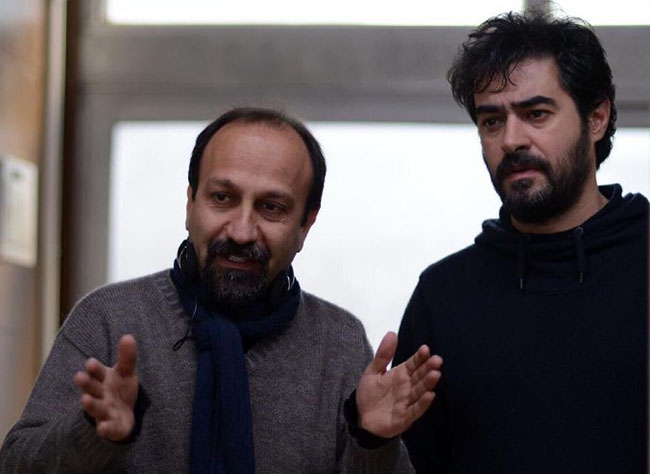
گنجوی: مایلم بدانم در این چند سالی که از موفقیتتان میگذرد شرایط شخصیتان اصلا تغییری کرده است یا نه و اینکه آیا احساس میکنید حالا به عنوان یک کارگردان در جایگاه متفاوتی هستید؟ در حال حاضر آزادی بیشتری برای کار کردن دارید؟
فرهادی: در حال حاضر به عنوان یک کارگردان در وضعیت عجیب و متناقضی هستم. البته این موفقیت، از یک طرف، شرایط زندگی و کارم را راحتتر کرده است، چون به راحتی میتوانم سرمایه بیشتری برای فیلمهایم تامین کنم و تمام افراد گروه فیلمسازی تمایل بیشتری دارند با من کار کنند. آنها مشتاقانه میآیند و شروع به کار میکنند و این کل پروسه فیلمسازی را راحتتر میکند. اما، از طرف دیگر، آنها میدانند که فیلمهای من احتمالا در سطح جهانی دیده میشوند، بنابراین نسبت به کاری که انجام میدهم حساستر هستند. این مسائل، کار را برای من کمی مشکل میکند، اما در این حین به پختگی هم رسیدهام، بنابراین راههای دیگری پیدا کردهام تا از مشکلات احتمالی اجتناب کنم.
گنجوی: شما به عنوان یک کارگردان در تعامل با نظام جمهوری اسلامی کاملا موفق بودهاید. به نظر شما دولت فعلی چه تفاوتی با دولت قبلی دارد؟
فرهادی: این دولت خیلی بهتر است، اما هر دولتی که به روی کار میآمد بهتر از دولت قبلی بود.
گنجوی: چرا تصمیم گرفتید در این فیلم دوباره با ترانه علیدوستی، شهاب حسینی و بابک کریمی کار کنید؟
فرهادی: من قبلا با تمام این بازیگرها کار کرده بودم. «فروشنده» چهارمین فیلمم با ترانه و سومین فیلمم با شهاب و بابک است. فکر میکنم وقتی شما برای مدتی با یک سری افراد کار کنید، بین خودتان به یک نوع زبان مشترک میرسید و این نوع درک متقابل باعث صرفهجویی در وقت و انرژی میشود.
گنجوی: شما در نشستها و یادداشتهای مطبوعاتی گفتید که این فیلم درباره فضا و اهمیت معماری نیز هست. میتوانید کمی بیشتر درباره این موضوع صحبت کنید؟ این سوال را میپرسم چون اگر به عنوان مثال میزانسن این کار را در نظر بگیریم، تاکید خیلی زیادی روی فضا نمیبینیم. فیلم «فروشنده» بسیار شخصیت محور است. این فیلم، به عنوان مثال، شبیه فیلمهای آنتونیونی نیست که در آن برداشتهای طولانی با تاکید بر فضا وجود داشته باشد. با این فرض، برداشت شما از رابطه بین معماری و سینما چیست؟
فرهادی: وقتی با یک خانواده و یک داستان سر و کار دارید، محل زندگیشان نیز، به خودی خود، به یک شخصیت تبدیل میشود و اغلب، معماری یک شهر، درست به اندازه شخصیت آدمهایی که آنجا زندگی میکنند، اهمیت دارد. وقتی به نیویورک میروید و به معماری این شهر، که پر از آن خطوط موازی است، نگاه میکنید، میتوانید حدس بزنید که باید رابطه تنگاتنگی بین آدمهایی که آنجا زندگی میکنند وجود داشته باشد. میخواهم بگویم که معماری هم تا حدودی درباره وجوه بیرونی شخصیت افراد به ما اطلاعات میدهد. بنابراین، وقتی «مرگ فروشنده» آرتور میلر را میخوانید، میبینید که در همان ابتدا، شهر و تحولات آن را توصیف کرده است. نمایشنامه توضیح میدهد که چطور همه چیز در حال تغییر است، باغها و مناطق سرسبز در حال نابود شدن هستند و شهر به یک جور لانه زنبور تبدیل شده است. اوایل فیلم «فروشنده»، شخصیت اصلی به شهر تهران نگاه میکند و میگوید که کاش میتوانستم این شهر را خراب کنم و دوباره از نو بسازم؛ مثل اینکه با این شهر یا یکی از ویژگیهای آن مشکلی دارد. در نمایشنامه هم نمایی داریم از آپارتمانی که شخصیت اصلی یعنی ویلی در آن زندگی میکند و به همین شکل است. فقط یک جا و یک اتاق کامل وجود دارد و بقیه قسمتها مثل یک اسکلت ساختمانی یا یک ساختمان نیمه کاره به نظر میرسد. این وضعیت نشاندهنده این است که چیز ناتمامی وجود دارد. میخواهم بگویم که من معماری یک مکان را به نوعی بازتاب احساسات درونی آدمهایی میدانم که آنجا زندگی میکنند. چون با شخصیتهایی سر و کار دارم که درون یک فضای بسته هستند، این نماهای بسیار کوتاه را به سکانسهای بلند ترجیح میدهم، برای اینکه فیلم خیلی خستهکننده نشود و شما در این فضای بسته همراه شخصیتها احساس خفگی نکنید.
گنجوی: در فیلم "فروشنده" در مورد شغل زنی که آنجا زندگی میکرده است ابهام خاصی وجود دارد؛ اینکه آیا او یک فاحشه است یا نه، اما یک سری چیزها، مثل پولی که مرد برای زن میگذارد، مشخص میکند که هست. هرچند، میزانسن این فیلم به ما نمیگوید که، به عنوان مثال، او یک فاحشه بوده است. معماری این فضا، این موضوع را بیان نمیکند. در صحنهپردازی، وسایل صحنه، طراحی لباس و گریم از رنگهای تند و براق استفاده نشده است. آیا به دلیل سانسور از یک میزانسن گویا استفاده نکردید؟
فرهادی: به دلیل سانسور نبود. به علت احترامی بود که برای شخصیت این فاحشه قائل بودم و نمیخواستم درباره آدمهایی که چنین کاری میکنند درگیر کلیشه شوم. ترجیح دادم او را به عنوان یک آدم قابل احترام نشان بدهم، چون این برداشت من از روسپیگری است. من به آنها به چشم افرادی که به دیگران صدمه میزنند نگاه نمیکنم؛ آنها از کسی دزدی نمیکنند یا به کسی غیر از خودشان آسیب نمیرسانند. آنها تصمیم گرفتهاند خرج زندگیشان را با استفاده از بدنشان دربیاورند، بنابراین من برای این آدمها ارزش قائلم و میخواهم سعی کنم آنها را به شکل محتاطانهتر و منصفانهتری به تصویر بکشم. اگر مسئله فقط سانسور بود فکر میکنم که اگر فاحشهای را به شکل کلیشهای یا اغراقآمیز نشان میدادم کمتر ایراد میگرفتند. هرچند، چیزی که در اینجا وجود دارد بسیار حساستر، انسانیتر و پیچیدهتر است. بنابراین من با روسپیگری، به عنوان یک مسئله انسانی، مشکل بیشتری خواهم داشت تا با تصویری که از آن ارائه میشود.
گنجوی: محبوبیت زیاد شما باعث شده برخی از فیلمسازان ایرانی از سبکتان تقلید کنند. فکر نمیکنید اگر سبک شما عملا به یک ژانر مستقل تبدیل شود، ممکن است مشکلاتی به وجود بیاید؟
فرهادی: خب، اگر افرادی که ظاهرا به همان شیوهای که من کار میکنم کار میکنند یا از بخشهایی از سبک یا شیوه کارم تقلید میکنند، این کار را با اعتقاد قلبی انجام بدهند، ناراحت نمیشوم. به هر حال، آنها هم همین پروسه را تجربه میکنند و احساس میکنند که این، مسیر آنها برای کار کردن، فکر کردن و خلق آثار هنری است. این تقلید، زمانی ناراحتکننده است که آنها این کار را فقط به این دلیل که تصور میکنند این مسیر، مسیر موفقی برای فیلمسازی است، انجام بدهند. مثل دستورالعمل خوبی که یکبار موفق بوده و انتظار دارند با دنبال کردن آن دوباره به نتیجه برسند. اما، در غیر اینصورت، خوشحال میشوم اگر این کار را دقیق و حسابشده انجام بدهند.
سرویس سینمای جهان کافه سینما
ارغوان اشتری و آناهیتا منجزی
شهریور 1395
============================================================
Freedom and Salesmanship: Asghar Farhadi
'Everything is being destroyed in Tehran, without us knowing what's going to come next.'
By Amir Ganjavie July 22, 2016
'The Salesman'
Asghar Farhadi's newest film The Salesman, recently a Cannes prizewinner both for Farhadi's screenplay and for Shahab Hosseini's lead performance, presents the familiar idea of private space being disrupted. It also touches upon the question of how violence emerges in society, and how the judgement of others turns a non-violent and peaceful character into a monstrous person. Farhadi adds another layer to the situation by drawing a connection between Arthur Miller's play Death of a Salesman and the story of modernization in Iran. After the screening of The Salesman at Cannes, I sat with the director and discussed his film career.
Amir Ganjavie: After your success at the Oscars and in Paris, why did you decide to come back to Tehran? Do you have something more to say about your country?
Asghar Farhadi: Well, I think quite naturally in spite of all the difficulties that you might have, there is something more truthful or just easier about working with film crews that speak your language while making a film that is in your own language. There is something more obvious about it. After I made this film in France, I was supposed to go work on another project in Spain for which I had signed a contract. We were about to start working on it but then I had the opportunity to go back and work in my own country. So I just seized this opportunity and let my father's last words guide me. He said, 'I wish you could come back to Iran and shoot a film.' So I guess in a way, maybe unconsciously, I just wanted to fulfill my father's last wish.
Ganjavie: The Past was the first film that you've made outside of Iran. This film deals in some way with a work of American art. Why American?
Farhadi: Well, what you need to know is that Western plays are extremely popular in Iran, and people read them and act them and stage productions of them. So Ionesco is a very famous writer, Arthur Miller happens to be a very famous writer and playwright, and so I just needed a piece that would suit my story. If Miller had been French then my story would have been taken from a French play. He just happened to be American.
Ganjavie: There's an interesting parallel between Death of a Salesman and your film, The Salesman. Why did you make this play a theme in your film?
Farhadi: There are many reasons why I chose this play instead of any other. In a way, we're following the path of two salesmen. One is the salesman from the play, who is embodied by our main character on the stage. The other salesman in the film happens to be an alter ego for the one in the play, but he is outside the play. So it's the same story that has been repeated. There are many parallel points, such as the many mentions in Death of a Salesman of the kids going to school; here too the character is a teacher and there are a lot of scenes with these students. There is also the scene with the socks, where we see that this part of the play is about the socks, and then there is a pair of socks in our story too. You can also find plenty of other clues if you're careful and have read the play. We have a character who is a prostitute that we never get to see. We hear about her but we never see her. However, then there is her reflection again in the play which is a character of that woman that we follow and see now and then.
Ganjavie: A big theme in Death of a Salesman is the American dream. Can we interpret that as a comment on Iran's increasing communication with the Western world?
Farhadi: There is a very strong link between the evolution of Tehran these days and the evolution of New York at the time. It's as fast and romantic and in a way everything is changing and being destroyed in Tehran, without us knowing exactly what's going to come next. So Death of a Salesman really deals with this total shift that the United States went through after the war and before this. The very last words of the play are spoken by the salesman who's on his grave and says, 'We are free! We are free!' Which is very specific allusion by Miller to freedom.
'The Salesman'
Ganjavie: What kind of evolution do you mean is happening in Tehran?
Farhadi: It's modernization, but a very reflexive form of it. There is a kind of crazy pace and enthusiasm that is just running forward but not really knowing where we're heading. In other words, the character that we have here is the most modern man that you can imagine. He's into culture, he's in a play, he's a very open-minded and liberal man who seems to have a very liberal social life. However, his reactions in some circumstances are the most conservative reactions that a man can have because he feels that his wife has been endangered in a way. That's why I say this modernization or this thrilling movement forward is something that is very shallow and it's solely a matter of appearances, while the weight of tradition is still quite present in our society.
Ganjavie: When I think of your films, there is this sense of mistrust and unsolved problems from the past, like people not really knowing each other and not trusting each other.
Farhadi: Well, at first people feel that they know each other quite well, and they have a clear knowledge of who the others are, but then under certain circumstances you realize that the other is perfectly unknown to you even inside a relationship. It's not that they do not trust each other but just that they discover new aspects of each other and new aspects of themselves that one cannot predict. The man that we see at the end of the film slapping this other man's face is the same one who at the beginning of the film was so nice to the neighbor, a very helpful father, gentle to his students, and even to this woman in the taxi that he tries to understand and justify.
Ganjavie: You speak now about their very private levels, but it also intoxicates the whole society, the community.
Farhadi: Well, I think this is only a social convention. It's not private at all. The idea of honor and having to defend your honor is something that comes from others. I would not say that it's something that would come from a person spontaneously. It's something that he's been taught. As for the main character, if he didn't feel the pressure of his neighbors and the people around him who understate something that makes this anger and feeling of revenge grow, then maybe he wouldn't have become so violent. This concept of honor and reputation is the general judgement of others about us. In our culture, at least, this is something that has a very determining influence on our behaviors.
'The Salesman'
Ganjavie: We were talking about this exploitation of guilt because we thought this happened because of looking at a naked woman. Did something else happen instead, or do you just think that the husband overreacted in terms of honor, perhaps because he doesn't understand it well enough?
Farhadi: I wasn't there either, so I don't know what happened in the bathroom.
Ganjavie: But I feel that if the neighbors hadn't found out, and if they hadn't pressured the husband, then the situation would have been completely different for him.
Farhadi: His main problem is that the others know something happened and they even seem to exaggerate what happened. If the whole story had remained between the two of them as a secret—which is what they tried to start with—then they wouldn't have had this violent reaction.
Ganjavie: So do you have a Jean-Jacques Rousseau-ian conceptualization of humankind in the sense that you think that, for example, human beings can be more free when put outside of society and its apparatus?
Farhadi: Well, I think freedom is first of all a very personal and intimate feeling. It is shaped, regardless of the state, according to the fact that as an individual you can feel free or you can consider that freedom is something that's owed to you. From where you are, the way that you sit can tell how your whole body is organized and to what level you consider what's been taught to you. Our problem is that freedom is something that we gain from the outside; it's not an interior aspiration. This couple that we see, who seem to live in a very liberal manner, this is something that has been given from the outside and it's not their inner relationship with their life or with their own beings. So as soon as they're confronted with this kind of situation, their inner, more traditional, and more conservative side emerges.
Ganjavie: I think this better explains why the moral challenges that are presented in your work start with small everyday things.
Farhadi: Yeah, at least in these films that I made, my characters never commit any dramatic acts. It's only in the very average, everyday behavior that they can do something and have a turning point in their attitudes.
Ganjavie: Is the issue of violence against women discussed very often in Iran? Do you think it should be discussed more?
Farhadi: I don't see the gender issue as the main issue in this film. This character could just as well have been a man. My topic here really is that the person who commits the violent act feels completely right and justified to do so. It's not at all an issue of gender but rather of violence, which is increasingly common nowadays, with the most extreme examples being terrorist attacks. What is specific about this kind of violence is that the people who commit such acts feel that they have moral convictions and that they have good reasons that justify their behavior. I feel that any human being in the world has this potential violence within himself. I know that when many viewers see this character they feel that he has good reasons to do what he does, which means that they have the same potential for violence.
'The Salesman'
Ganjavie: There is also talk of censorship when they put on the play Death of a Salesman. Is this something that you also had in mind during the writing process?
Farhadi: Well, the idea here is that the more they put pressure on artists to evaluate some aspects of people's lives, then in a way what they consider right to portray in a theater play requires them to eliminate anything related to sexuality. Then we see that the result is exactly the opposite and that sexuality is all the more present in people's lives and attitudes. We see it through the kid's mobile phone, where he has a picture of the lady in the taxi, and that's the way it has been in Iran all these years. This is something that is more specific to my culture than other aspects of the film—that there has been this whole way of controlling this issue in people's lives, and the result has been quite the opposite.
Ganjavie: But your previous works rarely criticized state censorship.
Farhadi: We should make a distinction between censorship as an explicit choice of the state and censorship as a broader cultural phenomenon. The one that's more formal and more systematic and that is done by the state is something quite specific and easy to understand, but this is less massive than the general phenomenon of censorship that is really innate in our culture. This is something that has accompanied the development of our culture and it's always been around in our literature, in our history, and it has even influenced our language. We have a way of speaking that allows us to say many things indirectly or by allusions.
Ganjavie: When you spoke about censorship it reminded me of Krzysztof Zanussi, the director who once said that he has never signed a petition or protested against the previous regime because he's always making films and wants to continue making films. I have noticed that you don't speak about politics either.
Farhadi: I agree with him, you know, in the way that I think there are two ways of making a social statement as a director, as an artist—that you can either decide to criticize the system, the regime, and the authorities, or you can decide to criticize society. I don't want to judge or to say which is best, but I happen to be more in the second category. I think that the awareness or the thinking of a society that can question and can reflect upon its own functioning and its own destiny wouldn't allow a totalitarian regime to come and rule it. So I prefer to pay attention and question the society itself rather than the rulers. For me, a political film is a film in which politics are not explicitly stated.
Ganjavie: So you try to raise questions in the audience's minds and problematize a negative behavior in society, but it appears that your stories are open and it is usually up to the audience to decide the outcomes. Don't you feel that there is contradiction between these two approaches?
Farhadi: I'm not quite sure if my films have open endings. They don't end and you cannot think of it as though they're over; the story goes on and there is something that remains unfinished, but I don't think it's blurred. It's not that at the end you don't know what you can come up with or you don't know what questions have been asked. I think that there very clearly are some specific questions that are posed, some reflections that have been started and established, and the story not finishing in itself doesn't mean that the specific points have not been made.
Ganjavie: It is interesting that your characters don't go to the police. Does this represent a distrust of the police as an institution, or is it a cultural thing that you try to connect people and solve problems without the authorities being involved?
Farhadi: I think that both aspects are there. Of course, if the story took place in France or America, then you would immediately go to the police and lodge your complaint, whereas in our country there might be this tendency to try saving your reputation. Even having to tell a story like this to the police is something embarrassing, and you would not do it very easily. However, there is another aspect: the moral dilemma that they have as a couple, and the police cannot solve this for them.
Ganjavie: I'm interested to know whether your personal circumstances have changed at all in the last few years following your success, and whether you feel that you are now in a different position as a filmmaker. Do you have more freedom to work now?
Farhadi: There's a kind of a paradox around me as a director now. On the one hand, of course my life has been made easier because I can get more funding more easily and all the crew members are more willing to work with me. They come enthusiastically, and this makes the whole process of filmmaking easier. However, on the other hand, they also know that my films will potentially be seen worldwide, so they're more sensitive to what I do. This becomes trickier for me but in the meantime I have matured too, so I have found other ways to avoid having problems.
Ganjavie: As a director you've been quite successful at dealing with the government. How would you say that the current government differs from the previous one?
Farhadi: This government is much better, but no matter what government came after the previous one, it would have been better.
Ganjavie: Why did you decide to work with the actors Taraneh Alidosti, Shahab Hosseini, and Babak Karimi again for this movie?
Farhadi: I had worked with all of them before. It's my fourth film with Taraneh, and my third with Shahab as well as my third with Babak. I guess that when you work with the same people for a while there is a sort of common language that you have among yourselves, and this kind of mutual understanding that saves us time and energy.
Ganjavie: In the press notes you said that this movie is also about space and the importance of architecture. Can you say more about this? I am asking this because if we think, for example, about the mise-en-scene in this work, we cannot see too much emphasis on space. This is a very character-driven movie. It's not like, for example, Antonioni's movies, where there are long takes focused on spaces. Given this, what is your conceptualization of the relationship between architecture and cinema?
'The Salesman'
Ganjavie: There is a certain ambiguity in The Salesman about the job of the woman who lives there, as to whether she is a prostitute or not, but some things such as the man leaving money for her make it clear that she is. However, the mise-en-scene contains nothing that tells you, for example, that she was a prostitute. The architecture doesn't express this. There is no use of lurid and flashy colors in the setting, props, costumes, and make-up. Did you avoid the use of expressive mise-en-scene because of censorship?
Farhadi: This wasn't because of censorship. It was because of the respect that I have for the character of the prostitute, and I didn't want to fall into clichés about people who do such work. I preferred to present her as a dignified person because that is my conception of prostitution. I don't see them as people who do any harm; they don't steal from anyone or hurt any person other than themselves. They decide to earn a living by using their bodies, so I feel respect for these people and want to try depicting them in a more subtle way. If it was just for censorship then I guess that if I had shown a very clichéd or exaggerated prostitute they would have had fewer objections to it. However, here it's something more subtle, more human, and more complex, so I will probably have more problems with the prostitute as a person than as an image.
Ganjavie: Your great popularity has led some other Iranian filmmakers to emulate your style. Don't you feel that this might cause problems if your style almost becomes its own genre?
Farhadi: Well, I wouldn't worry if the people who supposedly work the way that I work, or choose to replicate something in my style or in my way of working, do it out of conviction. After all, they go through the same process and they also feel that this is their way of working, thinking, and creating. It would be more bothersome if they do it just because they think that this is a successful way of making a film, like a good recipe that has been successful once and should work again. But I would otherwise be very happy if it was something deliberate.